
Tips For Removing Rust From Corten Garden Lights
Corten steel, with its distinctive vintage patina and exceptional weather resistance, has become a favoured choice in contemporary garden landscaping. Requiring no complex coating, it forms a dense oxide layer in natural environments, withstanding wind and rain while exuding a rich natural artistic aura. This transforms garden lighting into the crowning touch of any landscape.However, despite its outstanding weather resistance, Corten garden lighting inevitably accumulates rust over time when exposed to prolonged sunlight, rain, and fluctuating temperatures and humidity. Rust not only compromises the visual appeal of the fixtures, detracting from the refined garden aesthetic, but may also corrode the structure, affecting both longevity and safety.
Therefore, mastering scientific rust removal methods and daily maintenance techniques is crucial for preserving the aesthetics and performance of Corten Outdoor Lights. This article will detail the rust removal steps and maintenance essentials for weathering steel garden lights, while also recommending quality products to help you effortlessly tackle garden lighting upkeep challenges.
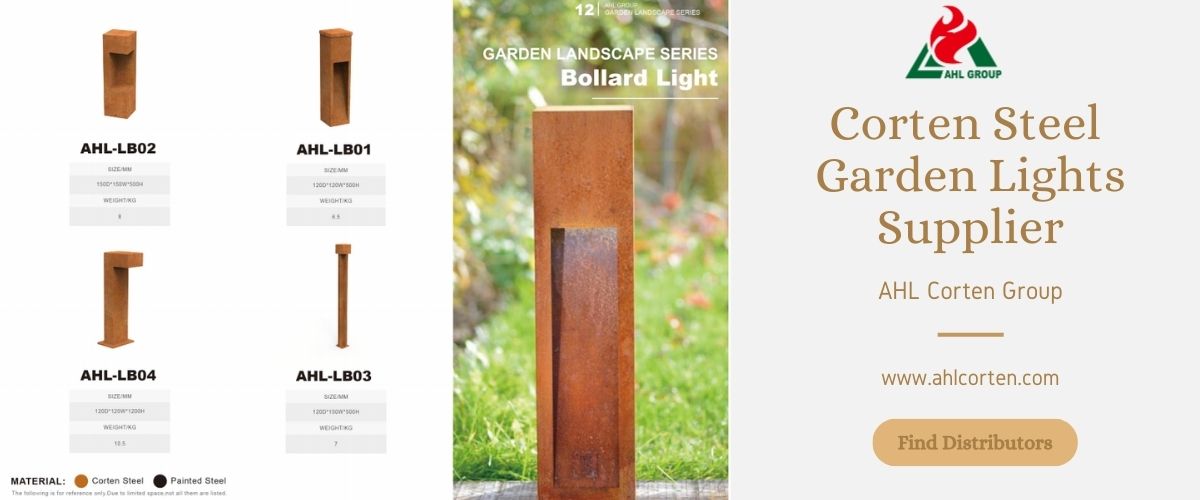
Understanding Weathering Steel
1. Core Characteristics of Weathering Steel
- Exceptional Weather Resistance
The most prominent advantage of weathering steel lies in its weather resistance. Its composition, enriched with alloy elements such as copper, chromium, and nickel, enables the spontaneous formation of a dense, stable protective oxide layer (rust patina) in natural environments. This protective layer effectively blocks oxygen and moisture from contacting the steel interior, thereby slowing corrosion rates and ensuring the luminaires remain stable for long-term use in complex outdoor conditions.
- Unique Aesthetic Appeal of Natural Oxidation
Unlike conventional steel rusting, the natural oxidation process of weathering steel is aesthetically refined. Over time, it develops a uniform, warm patina in shades of orange-brown or reddish-brown. This naturally aged hue seamlessly integrates into natural landscapes such as courtyards and gardens, creating a vintage and elegant atmosphere. This is the core reason for the popularity of weathering steel garden lighting.
2. Why Does Weathering Steel Rust?
Although weathering steel develops a protective oxide layer, this coating is not impenetrable. Under extreme conditions—such as salt spray corrosion in coastal areas, acid or alkaline dust accumulation in highly polluted zones, or prolonged water immersion—the integrity of the oxide film can be compromised.
Once compromised, oxygen and moisture regain access to the steel, triggering fresh corrosion. Furthermore, debris like dust and fallen leaves accumulating on the surface traps moisture and pollutants, accelerating localised rust formation.
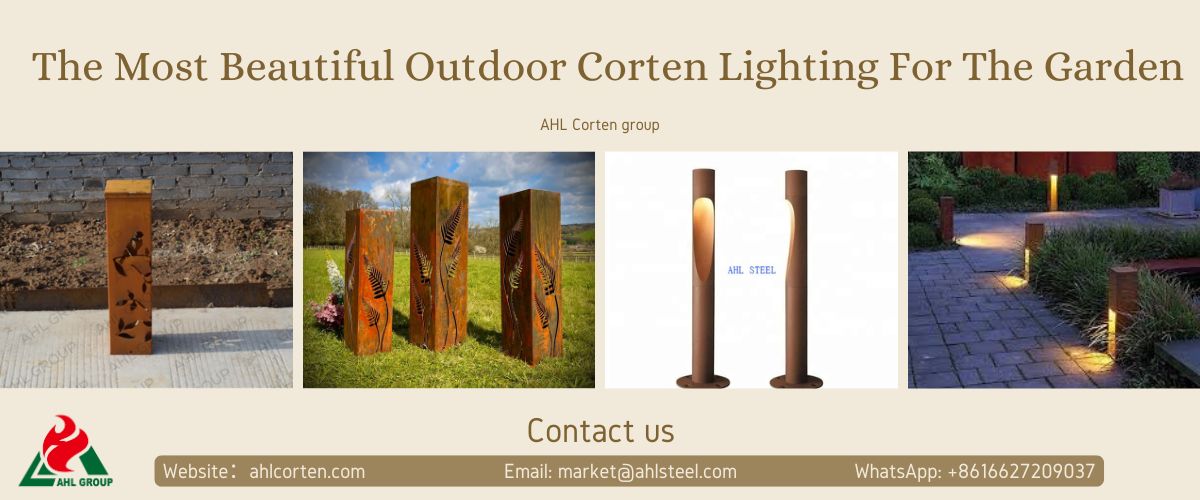
Impact of Rust On Weathering Steel Lights
1. Diminished Visual Appeal
The core appeal of weathering steel garden lighting lies in its uniform, aesthetically pleasing patina. Localised excessive rust, rust stains, or flaking of the rust layer can create a mottled, uneven surface. This disrupts the harmonious vintage texture, severely compromising the overall coherence of the garden landscape and diminishing the carefully crafted horticultural ambience.
2. Impact on Functionality and Safety
Functionally, excessive rust corrodes the metal structure of Corten steel bollard lights, causing the lamp body to thin and lose strength. Over time, this may lead to deformation, loosening, and other issues, directly shortening the product's lifespan.Regarding safety, rust penetration into internal electrical components may cause short circuits or leakage hazards. Furthermore, structural damage from corrosion could result in the risk of the light fixture falling, posing a threat to safety during garden activities.
Preparatory Work for Rust Removal on Corten Steel Lights
1. Required Tools and Materials
Preparing suitable tools and materials in advance ensures more efficient and gentle rust removal, preventing damage to the protective oxide layer of weathering steel. The essential checklist is as follows:
- Cleaning agents: pH-neutral detergent (e.g., washing-up liquid), white vinegar, lemon juice, oxalic acid-based weathering steel rust remover (for stubborn rust);
- Tools: Soft-bristle brush, nylon scouring pad, plastic scraper, clean dry cloth, bucket, stirring rod;
- Auxiliary materials: Baking soda (for preparing rust-removal paste), weathering steel-specific breathable sealant (for subsequent protection);
- Abrasive tools: Fine-grit sandpaper (400 grit or higher, only for stubborn rust spots, use with caution).
2. Essential Safety Precautions
As the rust removal process involves contact with cleaning agents and metal components, thorough safety precautions are paramount:
- Protective gear: Wear protective gloves and safety goggles throughout to prevent chemical irritation from cleaning agents contacting skin or eyes;
- Electrical safety: If Corten steel lights are hardwired, disconnect power before cleaning. Ideally, remove fixtures from the circuit to avoid electrical shock from water contacting live components;
- Testing Preparation: Before using any cleaner, conduct a small-scale test on an inconspicuous, hidden area of the rusted steel lights. Only proceed if no surface damage or discolouration occurs.
Detailed Steps for Removing Rust from Corten Steel Lights
1. Preliminary Cleaning: Removing Surface Debris
First, clear loose dust, fallen leaves, soil, and other impurities from the surface of the rusted steel lights to prepare for rust removal.
Gently sweep loose debris from the surface with a soft-bristled brush. Then, using a sponge dipped in a neutral detergent solution (a small amount of detergent mixed with warm water), lightly wipe the surface. After wiping, rinse thoroughly with clean water to remove any soap residue, then dry with a clean cloth.
2. Rust Removal Treatment: Targeted Rust Removal
- Gentle Rust Removal (Light Rust)
- Enhanced Rust Removal (Moderate/Stubborn Rust)
For thicker or stubborn rust deposits, prepare a baking soda paste. Mix baking soda with water to form a thick paste, apply evenly over the rusted area, and leave for 30 minutes to allow thorough absorption and decomposition of the rust. Gently scrub with a soft-bristled brush, then rinse thoroughly with clean water and dry.
- Professional Rust Removal (Severe Rust)
3. Sanding and Polishing: Treating Stubborn Rust (Use with Caution)
For extremely rare, firmly adhered stubborn rust, gently sand using 400-grit or finer sandpaper. Apply light pressure, targeting only the rusted areas to avoid damaging the original oxide layer through extensive sanding. After sanding, wipe away dust with a dry cloth, then rinse thoroughly with clean water and dry.
4. Protective Coating: Preventing Recurrence of Rust
After rust removal, to prolong the luminaire's lifespan, apply a breathable transparent sealant specifically formulated for weathering steel. This sealant locks in the existing oxide layer, blocking oxygen and moisture to effectively prevent rust recurrence while preserving the steel's natural patina.
Ensure the Corten steel driveway lights surface is completely dry before application. Apply an even coat using a clean brush and allow to cure fully for at least 24 hours.
Long-Term Maintenance Techniques for Corten Lights
1. Regular Inspections: Promptly Identifying Issues
It is recommended to conduct a comprehensive inspection of weathering steel garden lamps every three months, focusing on the integrity of the surface oxide film, the presence of new rust spots, structural looseness, and electrical functionality. Timely detection and resolution of minor issues can prevent rust from worsening and reduce maintenance costs.2. Cleaning and Maintenance Recommendations
Under standard conditions, conduct thorough cleaning twice yearly during spring and autumn to remove accumulated dust, fallen leaves, and other debris. For gardens situated in coastal, highly polluted, or humid regions, increase cleaning frequency to every 3-6 months.Always use mild, neutral detergents during cleaning. Avoid high-pressure water jets, strong alkaline/acidic cleaners, and wire brushes to prevent damage to the oxide film. Ensure the installation site has adequate drainage to prevent prolonged water accumulation.
Selecting High-Quality Weathering Steel Garden Lights
-
Key Considerations for Choosing Weathering Steel Garden Lights
1. Focus on Brand Reputation and Quality of Lights
Opt for reputable, well-established brands. Premium brands utilise high-purity weathering steel with stringent manufacturing processes, resulting in more uniform and stable oxide film formation and extended service life.
2. Verify Material Certification
When purchasing, inspect the weathering steel material certification to ensure compliance with relevant standards and avoid inferior products masquerading as genuine weathering steel. Quality weathering steel typically comes with material test reports.
3. Prioritise After-Sales Support for Weathering Steel Light Boxes
Comprehensive after-sales service safeguards long-term usage. Opt for brands offering installation guidance, maintenance consultations, and warranty support. This ensures prompt professional solutions should issues arise during operation.
-
Recommended Premium Weathering Steel Garden Lighting
1. AHL Corten Group Vintage Garden Floor Lamp: Crafted from high-grade weathering steel with rigorous oxidation treatment, featuring uniform and stable patina, excellent waterproofing, and compatibility with diverse garden styles. Customisation available with a 3-year warranty.
2. Weathering Steel Landscape Lawn Light (Brand: Courtyard Aesthetics): Minimalist design with high-purity weathering steel for superior corrosion resistance. Emits soft, non-glaring illumination ideal for lawns and pathways. Includes complimentary installation guidance.
3. Custom Artistic Weathering Steel Garden Lamp (Brand: Light & Shadow Creations): Blends artistic design with practical functionality. Special surface treatment enhances the oxidation layer's durability, ensuring a lifespan exceeding 15 years. Supports bespoke styling.
Ready to Commission Your Exclusive Outdoor Corten Lights?
The core principles for removing rust from corten steel lights are ‘gentle cleaning, precise rust removal, and targeted protection’. By following the preparatory steps, step-by-step rust removal methods, and long-term maintenance techniques outlined in this guide, you can effectively preserve the lamp's vintage aesthetic, extend its lifespan, and ensure safe usage.
A quality weathering steel garden lamp represents a significant investment in your garden's landscape. Proper daily maintenance ensures this beauty endures. Should you have any queries regarding lamp selection or rust removal and maintenance, our professional team is available at any time to provide personalised consultation services. Contact us Now!
Home & Garden
- BBQ grill
- corten steel metal planter for outdoors
- garden bollards lights
- garden screens
- steel tree grates
- fire pit
- garden sculptures and statues
- garden water fountain
- garden edging
- bio ethanol fireplace
- Corten Fence Panels
- Corten Steel Water Features Manufacturers, Suppliers, Factory & Exporters | AHL Group
- Corten Steel Gardening Products
- Corten Steel Garden Edging
- Metal Gas Water Fire Fountain
- Corten Exterior Cladding
Mild Steel
Stainless Steel
Aluminum Sheet
Steel Processing & Services
News

 Get a quote, Now!